
Cultural heritage monitorin
Monitoring instruments and systems for the conservation of cultural heritage and historic buildings

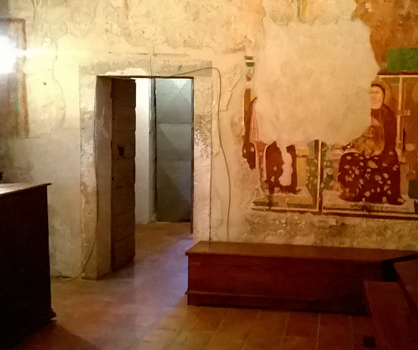
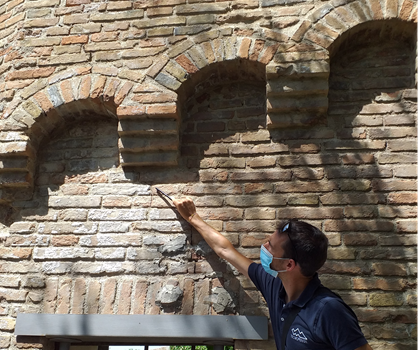
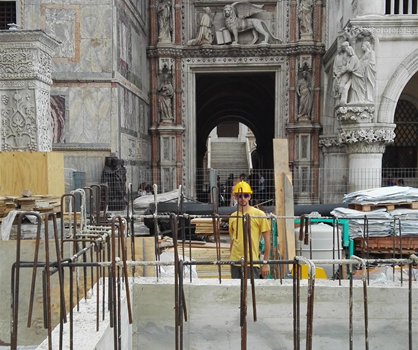
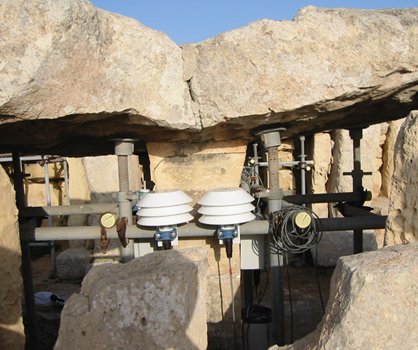
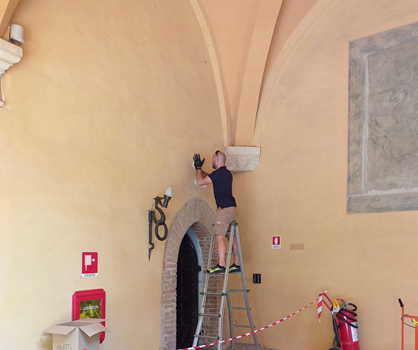
The term "monitoring" in relation to cultural heritage and historic buildings encompasses a vast range of applications and scenarios. The approach required when working in this field must inevitably be multidisciplinary, combining scientific expertise with historical and humanistic knowledge.
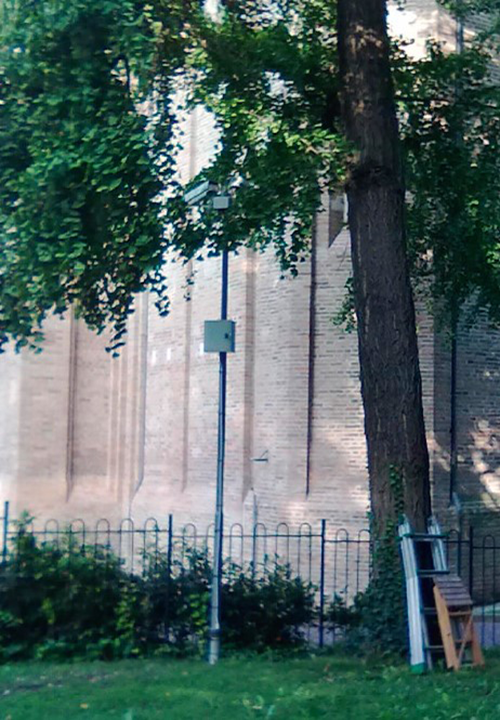
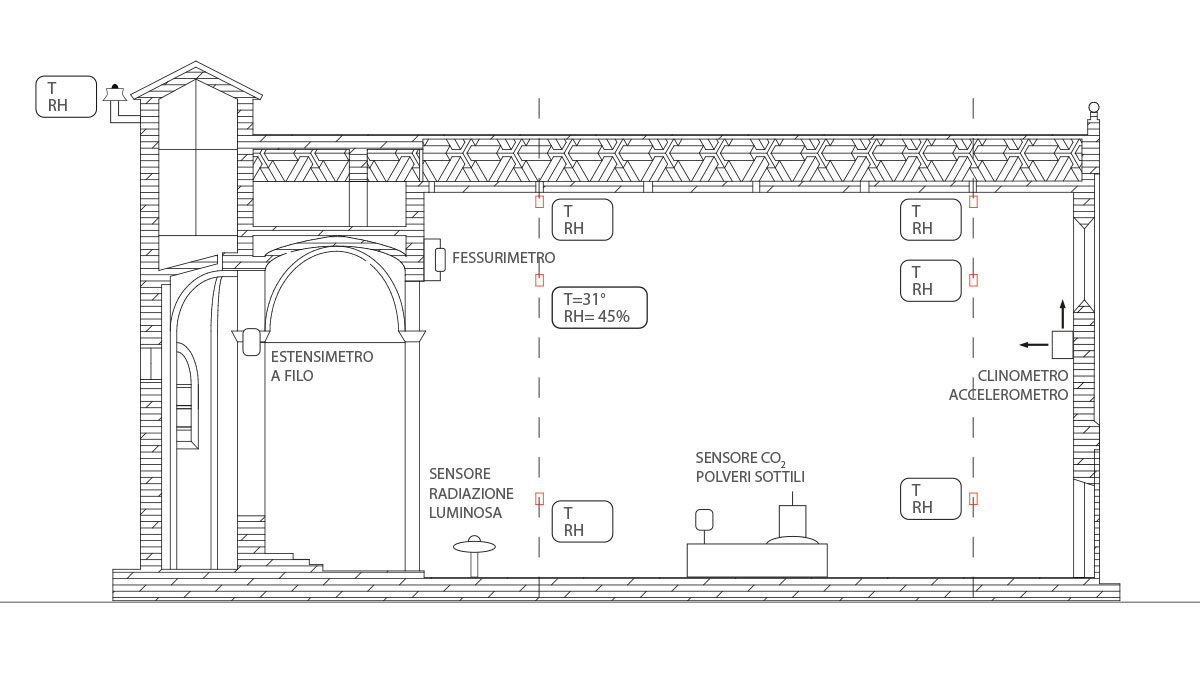
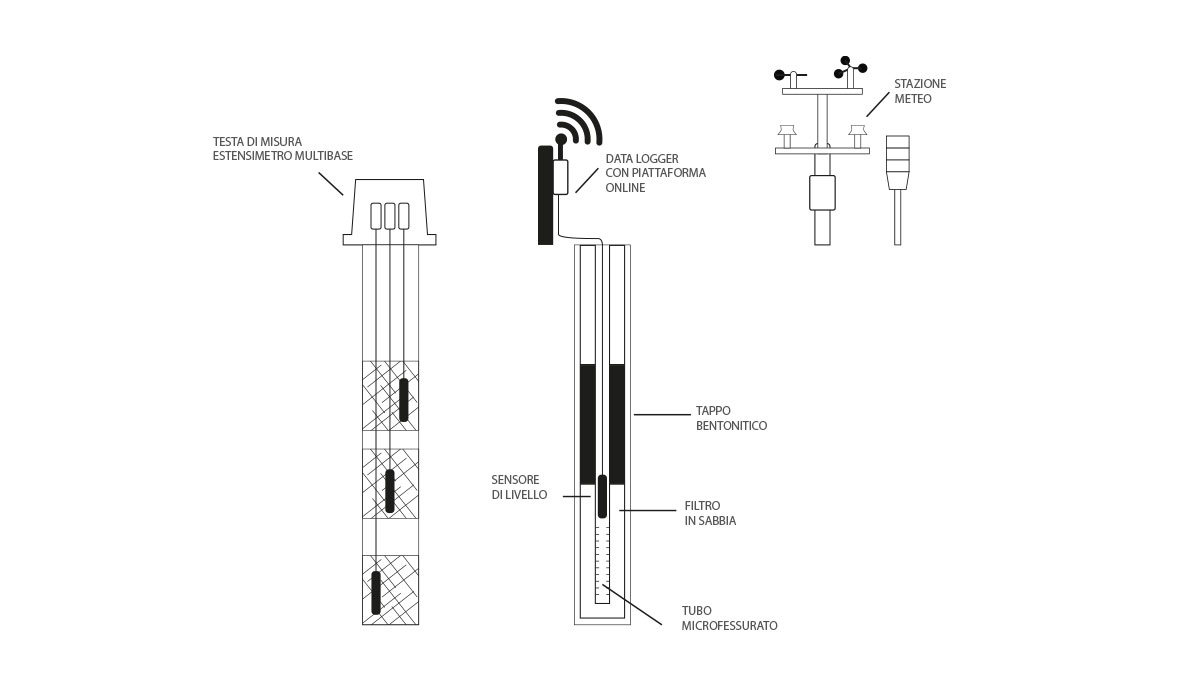
The instruments used for cultural heritage monitoring generally go beyond simply assessing the microclimatic conditions of a specific environment. They also include surrounding meteorological monitoring, structural monitoring of the examined buildings, and, when necessary, hydrogeological monitoring of the area in which the heritage asset is located.
Microclimatic monitoring
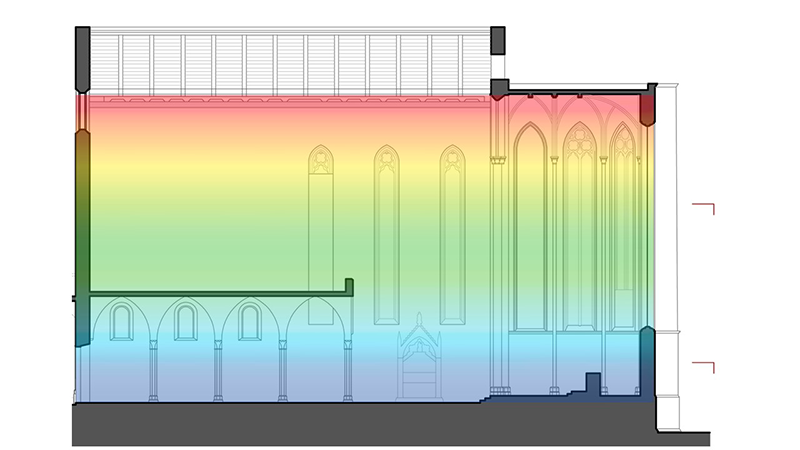
INSTRUMENT | APPLICATION | |
|---|---|---|
PRECISION THERMORESISTOR | Measurement of internal temperature at points of interest by reconstructing thermal profiles | |
HYGROMETER | Measurement of humidity at points of interest. In relation to temperature, it allows the determination of the stress condition of the asset | |
LIGHT RADIATION METER | Particularly useful for monitoring artworks such as paintings and frescoes. It allows the assessment of harmful light radiation that can affect the color variations of the decorations | |
CO2 DETECTOR | Measurement of carbon dioxide concentration | |
FINE DUST DETECTOR | Measurement of fine dust concentration in the air | |
Structural monitorin
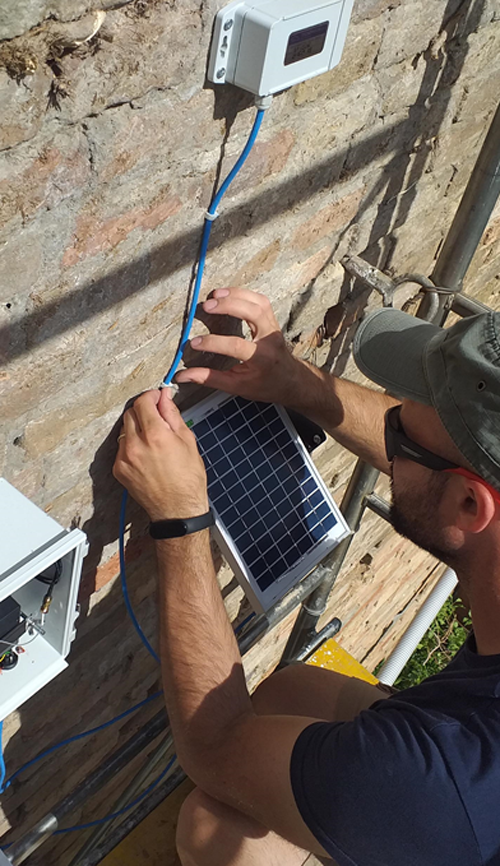
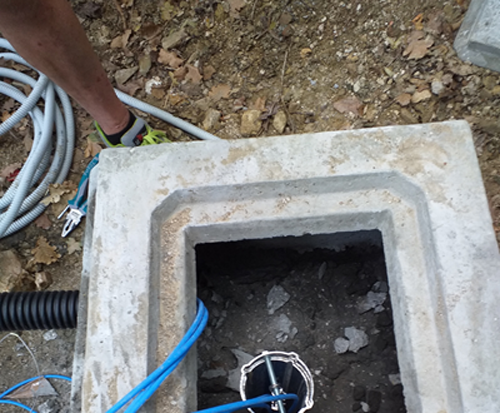
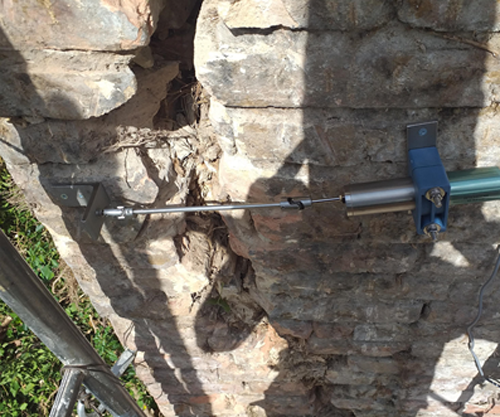
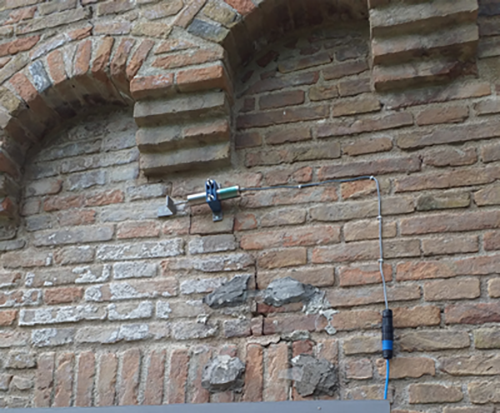
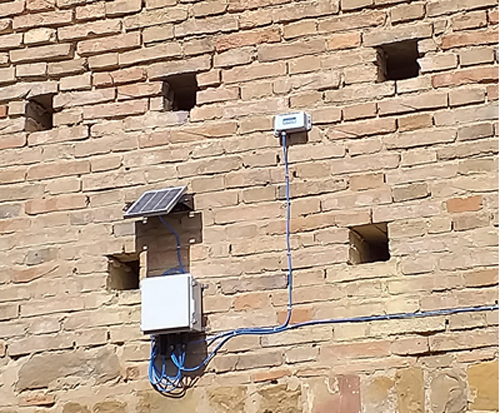
INSTRUMENT | APPLICATION | |
|---|---|---|
CRACK METER | Monitoring of crack and fracture behavior | |
BIAXIAL OR TRIAXIAL INCLINOMETER | Measurement of tilting on wall surfaces or horizontal structures | |
IN-PLACE INCLINOMETER | Measurement of deep movements caused by natural phenomena or human-induced actions such as foundation activity | |
GROUNDWATER LEVEL SENSOR | Measurement of groundwater presence and water table fluctuations to assess their effects on historical assets | |
RAIN GAUGE | Measurement of rainfall amount | |
Data logger FlexLog
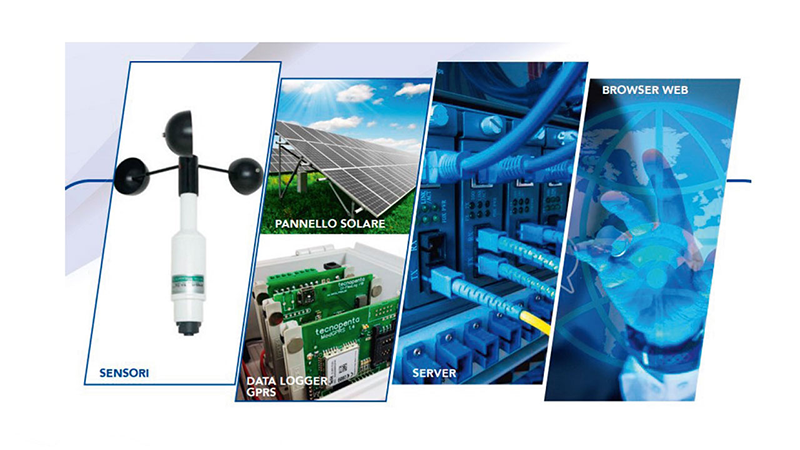
THE FLEXLOG BY TECNOPENTA IS A DATA LOGGER SUITABLE FOR OPERATING IN MULTIPLE SITUATIONS
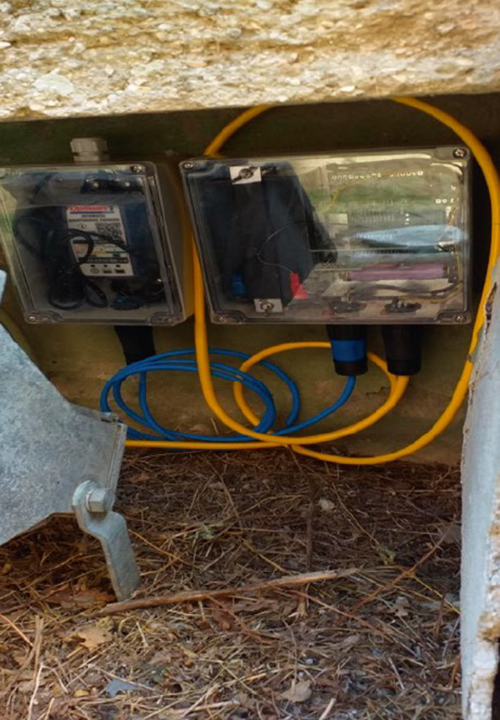
This data acquisition instrument comes with a minimum of four channels and is designed to be modular, allowing up to sixteen analog channels and a virtually unlimited number of digital channels. It is designed to operate with minimal energy consumption and, when equipped with a solar panel, is fully autonomous and capable of sending data to a web platform without the need for maintenance. Without external power and with a lithium battery, it can operate for up to three years, sending data to the web (hourly acquisition, data transmission every six hours).
The standard protective casing is IP67, made of highly durable plastic. Tecnopenta provides solutions ranging from transparent covers for laboratory applications to vessels capable of withstanding immersion. FlexLog is compatible with various types of sensors. Available features include the ability to set alarms and adjust the acquisition frequency remotely.
REPRESENTATIVE PROJECTS
MUSEUM NETWORK – MARCHE REGION | Structural and Hydrogeological Monitoring of Gradara Castle (PU) |
MUNICIPALITY OF PADUA | Hydrogeological Monitoring and Microclimatic Monitoring Design for the Scrovegni Chapel (PD) |
PARISH OF TEOLO | Structural Monitoring of the Old Church of Teolo (PD) |
PARMA FABBRICERIA | Structural Monitoring of the Crypt of Parma Cathedral (PR) |
CONSORTIUM NEW VENICE | Hydrogeological and Tide Gauge Monitoring of St. Mark's Square (VE) |
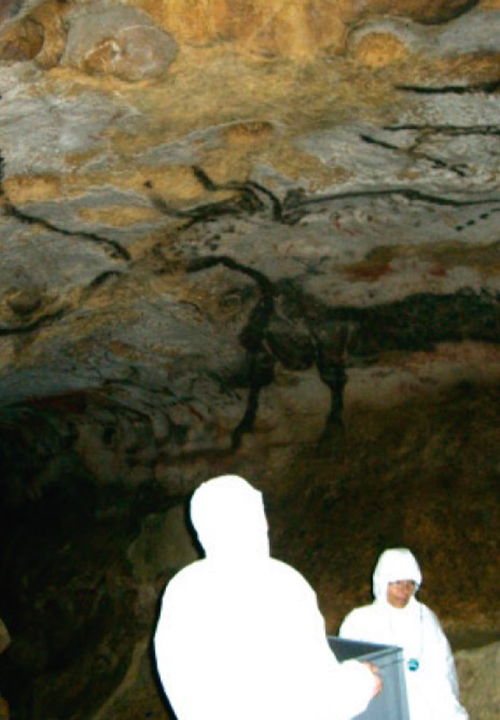
NATIONAL RESEARCH COUNCIL | Microclimatic Monitoring of the Lascaux Caves (France) |
NATIONAL RESEARCH COUNCIL | Microclimatic Monitoring of Petrarch's Tomb (PD) |
NATIONAL RESEARCH COUNCIL | Microclimatic and Meteorological Monitoring of the Hagar Qim Temple (Malta) |
NATIONAL RESEARCH COUNCIL | Microclimatic Monitoring of the Stained Glass Windows of Cologne Cathedral (Germany) |